
How can democracy rebuild trust when political institutions are divided and citizens feel unheard? From 1–3 September 2026, Democracy27’s Task Force travelled to Warsaw as part of its Time to Listen phase to explore challenges ranging from the rule of law and political deadlock to disinformation and citizen participation.
Over three days, the delegation met with government representatives, journalists, civil society organisations, political stakeholders and young people to better understand Poland’s democratic challenges and opportunities.
Here are key takeaways from 2 members of our Task Force: Madeleine de Cock Buning, Professor at the European University Institute and Utrecht University, and Leo Varadkar, former Prime Minister of Ireland.
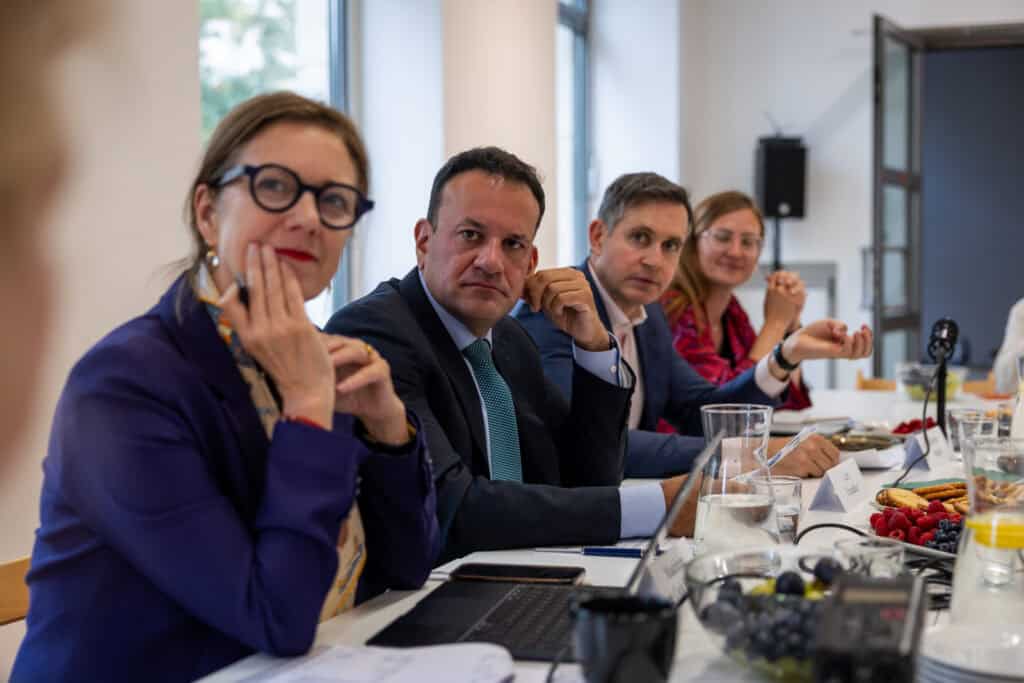
Members of the Democracy27 Task Force : Madeleine de Cock Buning and Leo Varadkar
Which democratic challenges or tensions stood out the most?
A key challenge was restoring independent institutions. Discussions revealed that reforms remain incomplete and public confidence in the judiciary has yet to recover.
“Poland shows that repair takes longer than one electoral cycle. That is a reason for patience and for European support.” — Madeleine de Cock Buning
Political deadlock was another concern. Poland’s President can veto legislation passed by Parliament, complicating reforms when opposing political forces control these institutions. It fuels frustration, particularly among young people who feel elections bring little change.
The discussions also revealed contrasting perceptions of external interference. Some conservative voices questioned the EU’s influence on Polish politics, while liberal participants and journalists raised concerns about Russian interference and major technology platforms.
Despite their differences, both camps expressed concerns about the politicisation of institutions. Restoring trust requires more than legislation, including better communication with citizens.
Which of these challenges resonate with broader democratic trends across Europe?
Poland reflects a wider tension between effective decision-making and democratic checks and balances, a challenge also seen in France, the United States and countries with complex coalition governments. When elections seem unable to deliver change, frustration can fuel support for leaders promising decisive action.
Winner-takes-all systems also pose risks, as governing majorities can undermine institutional independence.
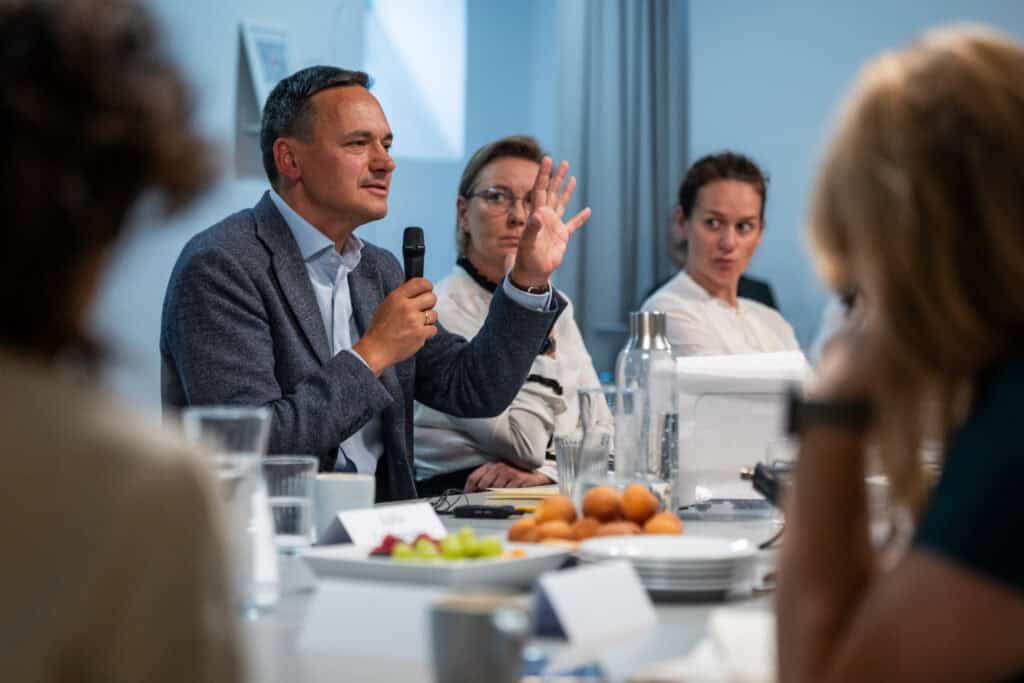
Mr Jacek Cichocki, former Head of the Chancellery of the Sejm and former Minister in the governments of Prime Minister Donald Tusk
Trust in institutions offers another lesson. Figures discussed during the visit showed that 71% of Poles trust local authorities, compared with 43% who trust the national government. This suggests that local democracy could help rebuild confidence.
The transformation of the information landscape was another concern. Discussions with journalists were particularly revealing. Social media has opened public debate to more voices, but also challenged traditional mechanisms of verification and moderation.
“News has been democratised which is a positive thing but the quality, mediation and moderation is on the floor.” — Leo Varadkar
Disinformation can exploit genuine public concerns, such as healthcare waiting times, to deepen divisions. Both foreign and domestic actors can use digital platforms to influence public opinion.
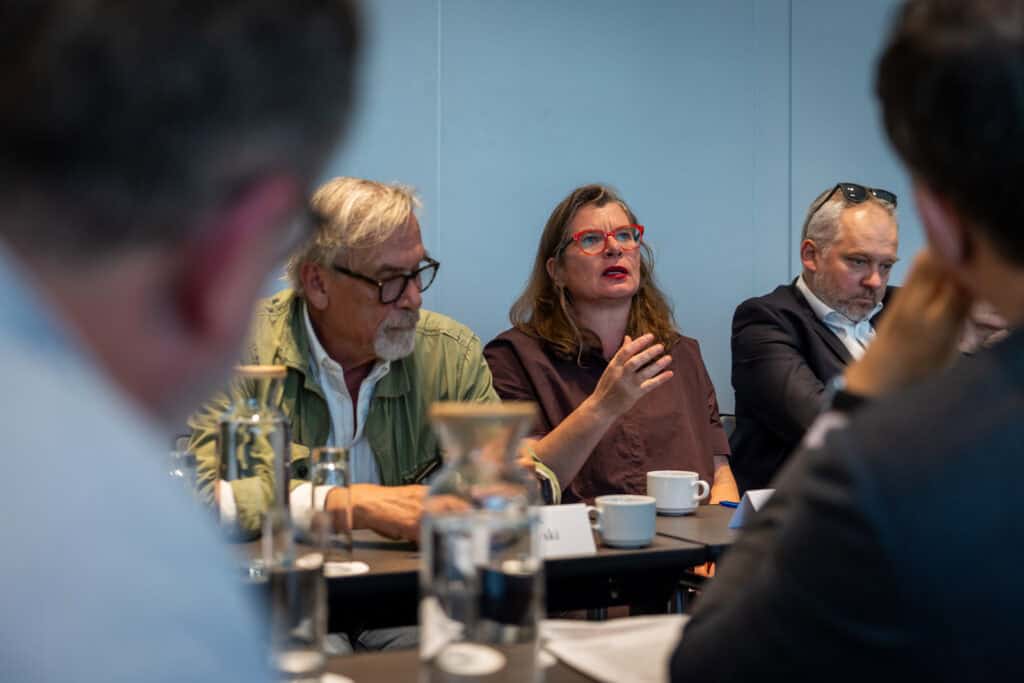
Democracy27 delegation listening to journalists and media commentators
Did any particularly promising recommendations or solutions emerge?
Strengthening citizen participation between elections emerged as a promising direction. Citizens’ assemblies, participatory budgeting and local initiatives could help rebuild trust. Young participants called for simpler funding procedures and better information about opportunities to get involved.
Protecting the rule of law is another key priority, requiring independent criteria to assess reforms and mechanisms to respond to democratic backsliding.
On information and media resilience, discussions explored reducing financial incentives for disinformation, enforcing the EU Digital Services Act and supporting quality journalism.
Education also emerged as an area of agreement across political divides, including media literacy and measures to limit smartphone use in schools.
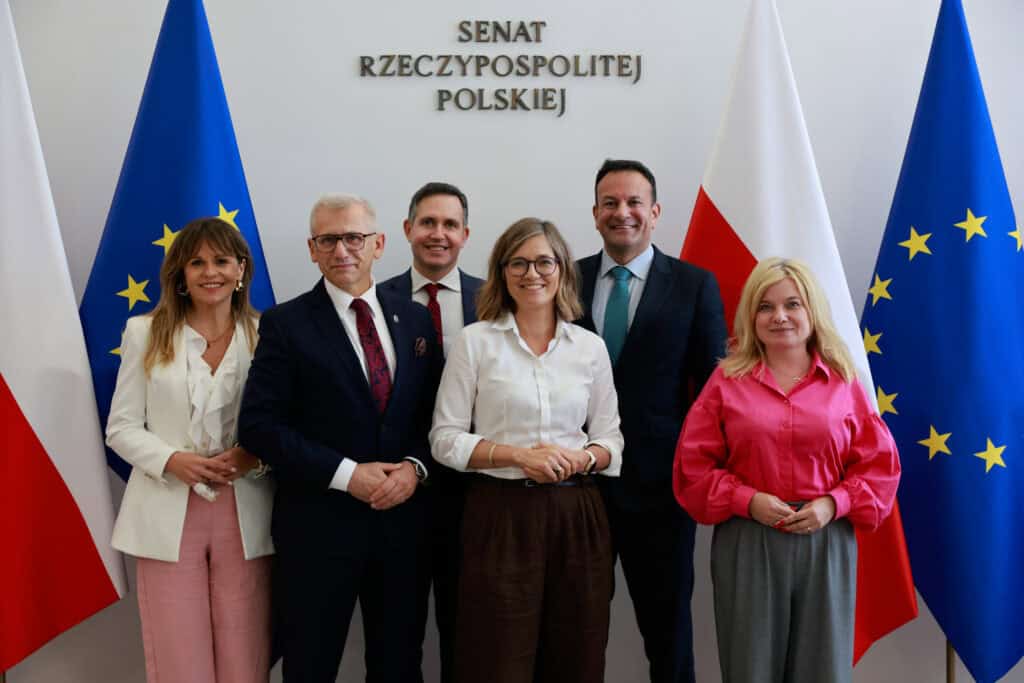
The delegation met representatives of the ruling coalition at the Senate, including Deputy Speaker Magdalena Biejat, Senator and former Justice Minister Krzysztof Kwiatkowski, and MP Dorota Łoboda
From listening to recommendations
The Poland visit highlighted challenges shared across Europe: rebuilding independent institutions, overcoming political deadlock, protecting public debate and ensuring citizens feel their participation matters.
The insights gathered in Poland, alongside Democracy27’s other country visits, citizen consultations and research, will contribute to our final report and recommendations for democratic renewal, to be published in March 2027.