
Germany is facing a critical moment for its democracy. Amid growing dissatisfaction with mainstream parties, the far-right Alternative for Germany (AfD) has made significant electoral gains, particularly in eastern Germany, intensifying debates about democratic resilience, political representation and the limits of democratic tolerance.
How can democracy rebuild trust when citizens feel unheard, institutions struggle to deliver and societies become increasingly polarised?
Against this backdrop, from 7–9 October 2026, Democracy27’s Task Force travelled to Berlin and Gartz (Oder) to explore the challenges facing German democracy and the opportunities for democratic renewal. The delegation met with political representatives, researchers, civil society organisations, journalists, democracy practitioners and young people.
Which democratic challenges stood out the most?
Rebuilding trust starts with everyday concerns
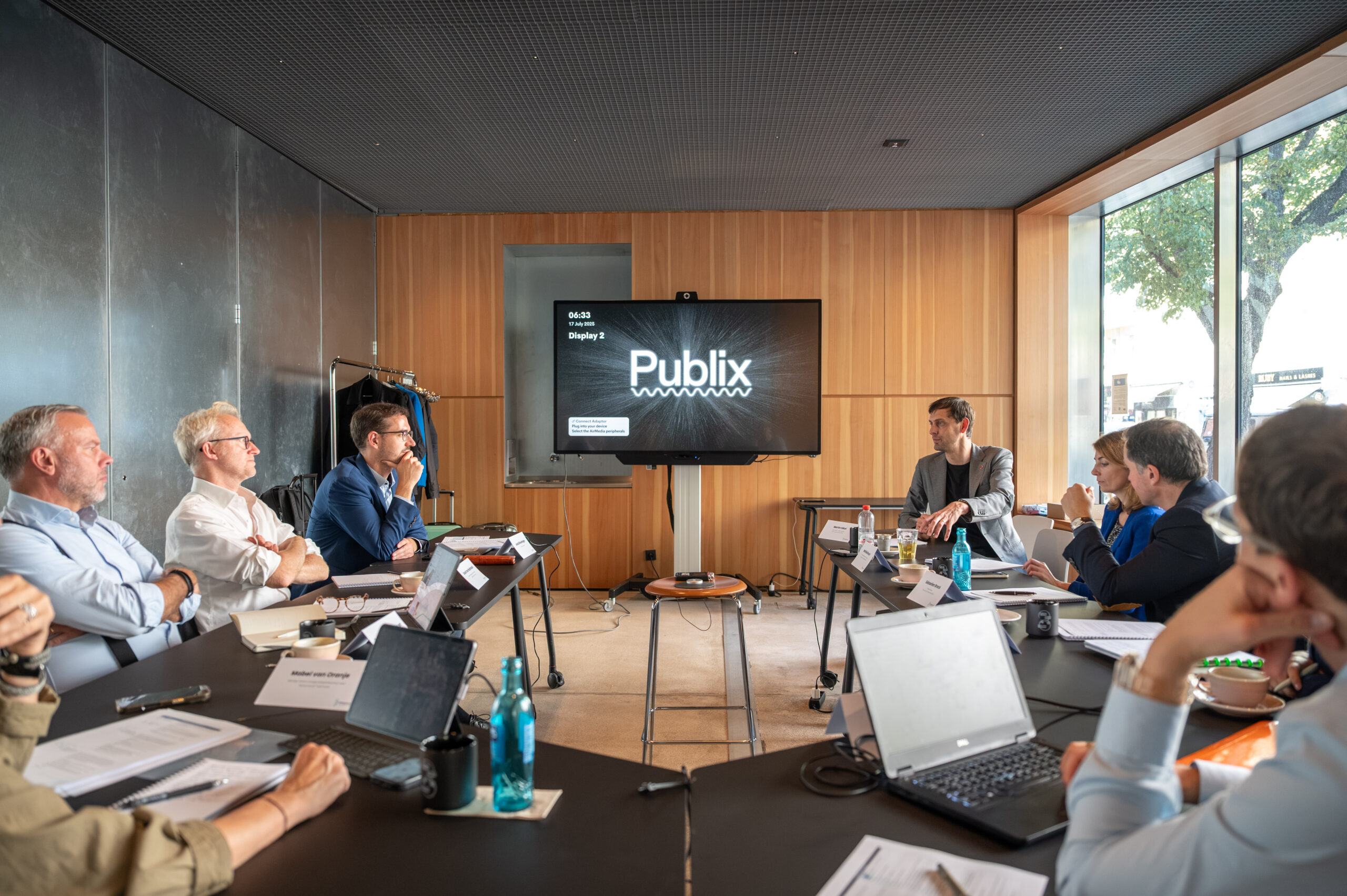
In Berlin-Neukölln, discussions with district mayor Martin Hikel and at Publix explored how social and economic inequalities, migration, education and perceptions of social status shape political attitudes and trust in institutions.
Beyond economic grievances, feelings of humiliation, exclusion and not being valued were identified as important psychological factors behind support for the far-right AfD. The discussions also highlighted a gap between abstract political language and citizens’ everyday concerns, such as transport, schools and local services.
This disconnect also points to a broader challenge for democratic parties : their ability to offer citizens a clear, understandable and realistic vision of the future. As Věra Jourová, reflecting on the discussions, highlighted, democratic parties need to improve how they communicate with citizens and give them opportunities to make their voices heard between elections, both online and through direct contact with their political representatives.
The delegation also examined whether the state meets citizens’ expectations. Slow administrative procedures, deteriorating infrastructure and pressure on public services contribute to perceptions of institutional failure. Rebuilding trust requires addressing genuine shortcomings while understanding how these are experienced by citizens.
Democracy must extend beyond political centres
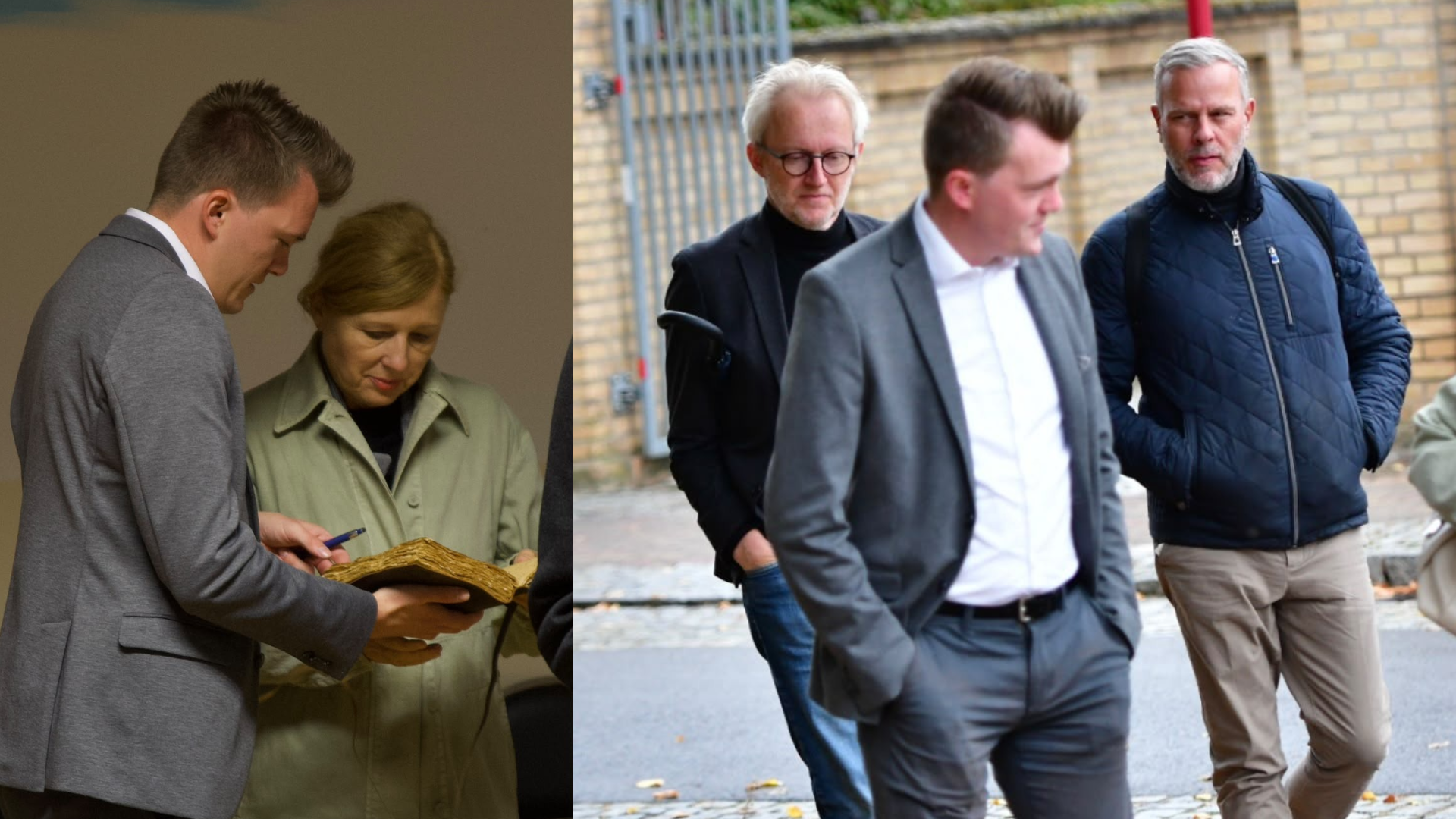
In Gartz (Oder), Brandenburg, Mayor Luca Piwodda, and local stakeholders shared perspectives on life in eastern Germany, including the effects of industrial transformation, demographic change and the challenges of sustaining civic engagement in rural areas.
Participants described the AfD as more visible and active in some eastern German communities than traditional parties, which they felt had lost touch with parts of their electorate. Discussions also explored how the legacy of reunification continues to shape trust in politics and what meaningful support from Berlin and Brussels could look like locally.
The visit underlined the importance of listening directly to communities, whose experiences and concerns are not always reflected in national political debates. This need for stronger connections between citizens and political representatives reflects a wider European challenge.
Young people want a meaningful voice
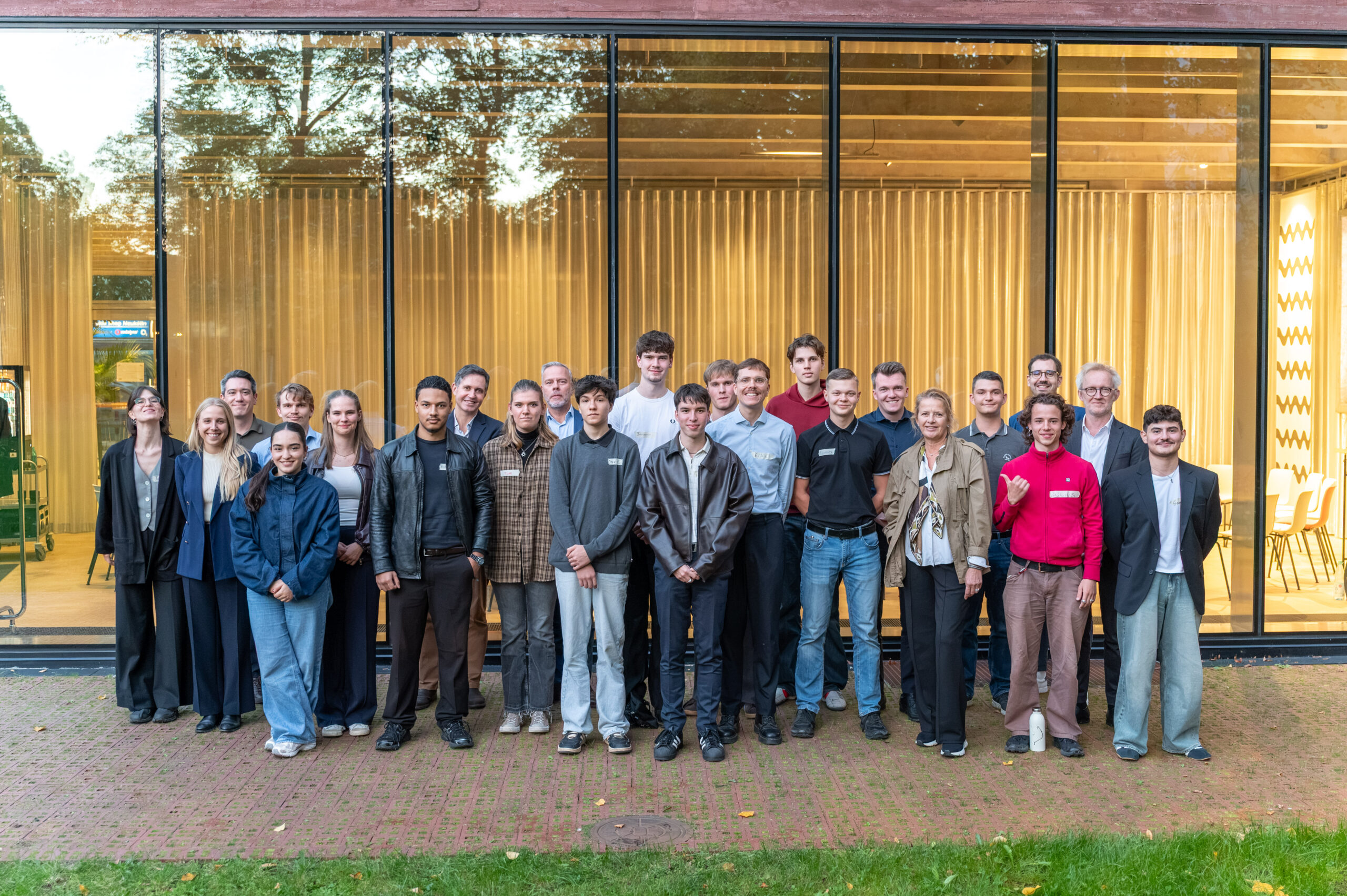
A Youth Roundtable brought together around twelve participants aged 16–28 from Berlin, Brandenburg and the Gartz region. They discussed what would make their voices count in politics, how they experience democracy and what Europe means to their generation.
Their discussions highlighted a broader concern about young people feeling insufficiently heard and represented in political decision-making.
Providing opportunities for citizens, particularly younger generations, to participate between elections is therefore essential.
What can Germany teach us about democratic renewal across Europe?
Participation must influence decisions
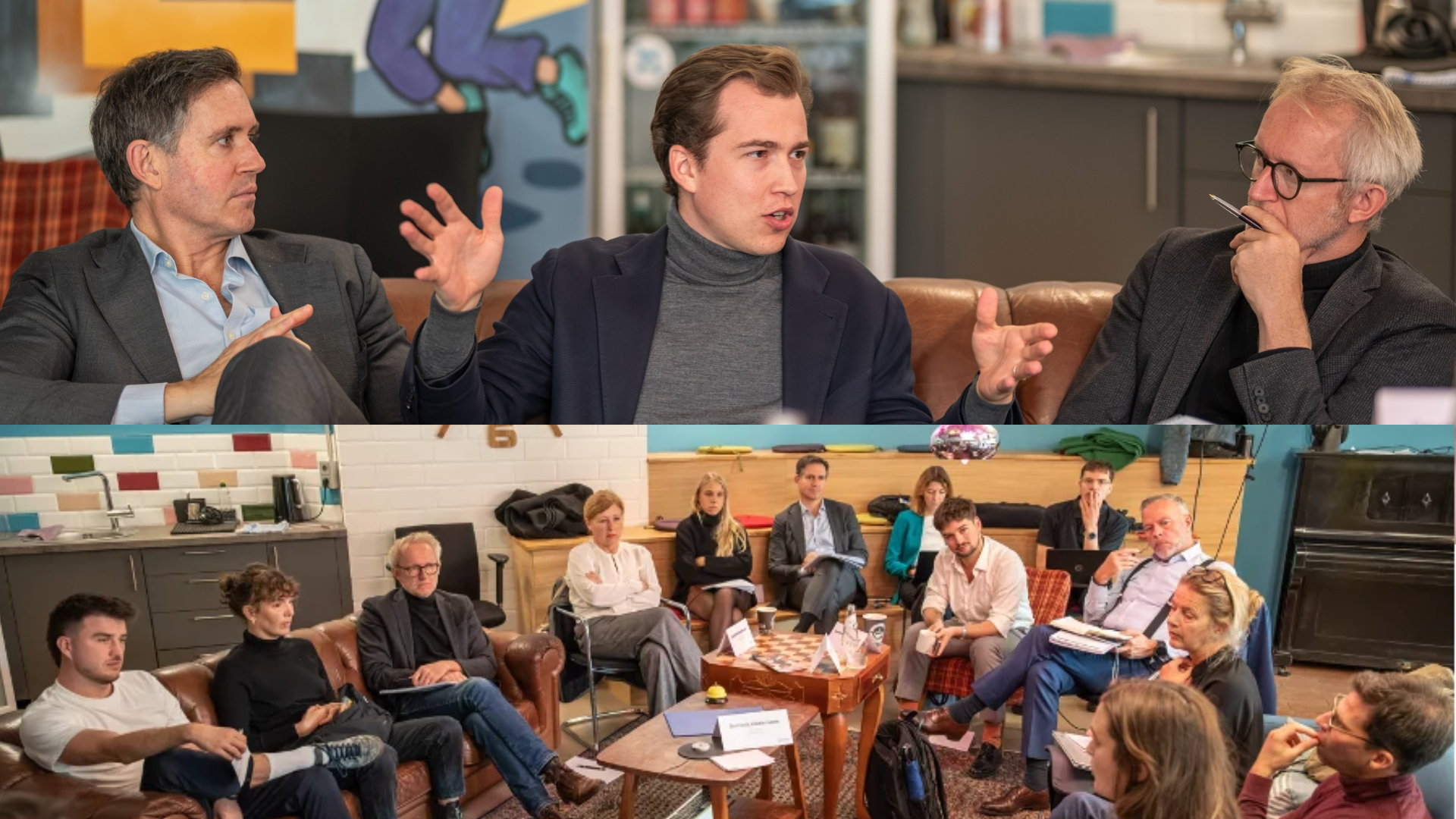
At openPetition’s Werkstatt Digitale Demokratie in Berlin, the delegation explored citizens’ assemblies, petitions and other initiatives connecting citizens with elected representatives.
The key challenge is to move beyond consultation for its own sake. Participation strengthens trust when institutions explain their decisions, respond meaningfully and demonstrate the impact of citizens’ involvement. Political communication must also connect with people’s everyday concerns rather than rely solely on abstract terminology.
These challenges are not unique to Germany. Věra Jourová sees them as part of a pan-European trend, arguing that democracy needs an upgrade, with new forms of communication and greater courage from political leaders to propose solutions and explain them clearly.
She also stressed the importance of what she described as “principal realism”: understanding reality, addressing difficult questions honestly and avoiding overly optimistic narratives or promises that no political system can guarantee personal happiness for everyone. This also means showing greater respect for citizens’ voices and acknowledging their concerns.
The discussions considered which democratic innovations could be adapted across European contexts and how institutions can reconnect with citizens who feel politically overlooked.
Effective public services are essential, but not enough
Discussions on state modernisation highlighted the link between public services and democratic legitimacy. More efficient administration, less bureaucracy, citizen involvement in service design and digital innovation can help institutions better meet public needs.
However, effectiveness alone cannot guarantee trust. Citizens must also feel represented, treated fairly and able to influence decisions. Democratic institutions must therefore both deliver better outcomes and strengthen their relationship with the people they serve.
A healthy information space supports democracy
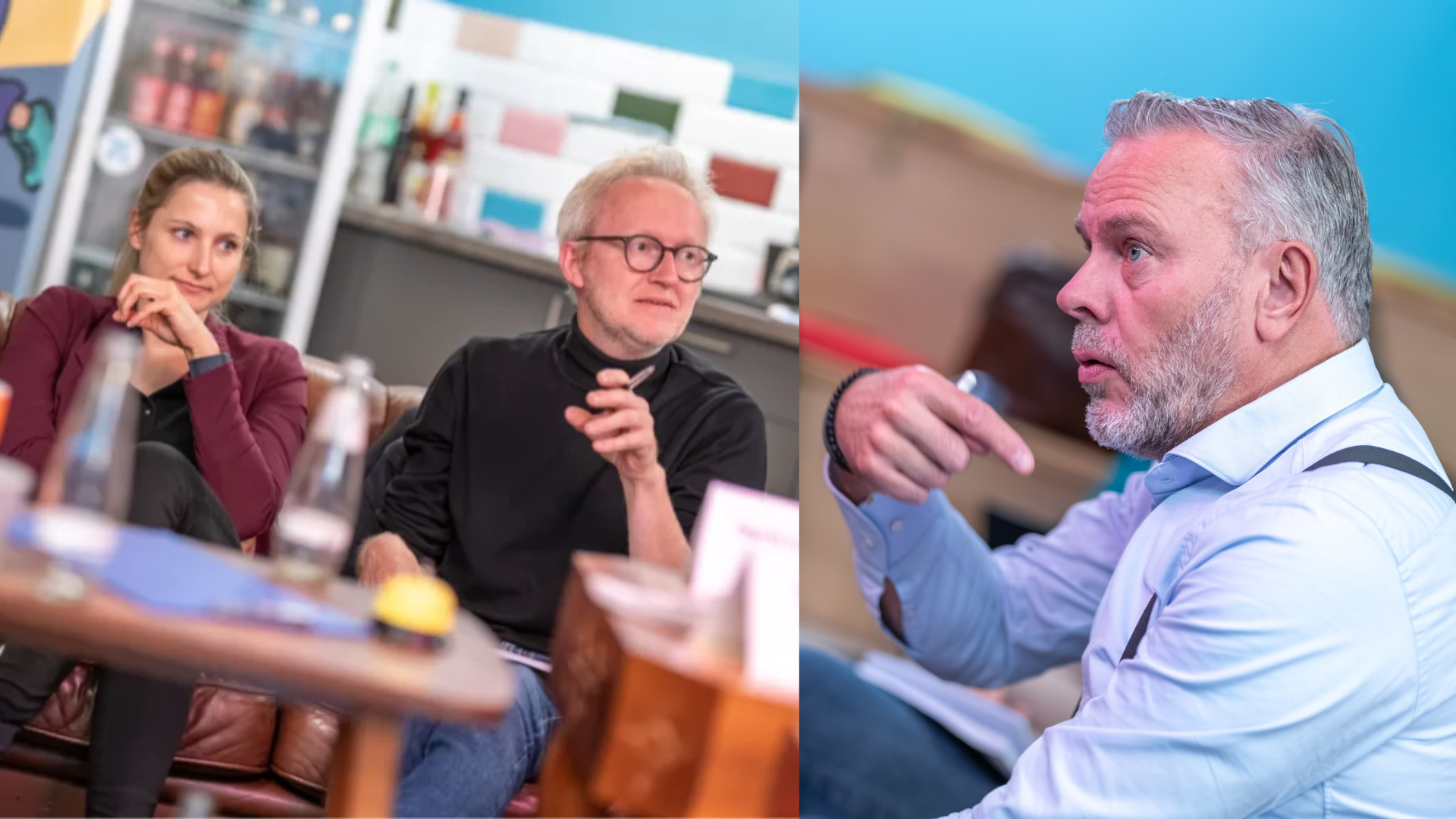
The discussions addressed journalism, disinformation, digital platforms, online hate and technology’s impact on democratic debate.
The visit also raised the dilemma of how democracies should respond to the AfD’s growing support, including debates over a potential constitutional ban and the limits of democratic tolerance. These questions highlight the tension between defending democratic institutions and addressing the concerns of citizens who feel alienated from them.
Across Europe, democracies face the challenge of protecting quality journalism, ensuring access to reliable information and enabling citizens to participate freely, without intimidation or manipulation
From listening to recommendations
The Germany visit highlighted key questions for democratic renewal: how can institutions better address citizens’ concerns, strengthen social cohesion and make participation meaningful beyond elections?
The discussions underlined the need for more responsive institutions, effective public services, meaningful citizen participation and a healthy information environment. Together with insights from other country visits, consultations and research, they will inform Democracy27’s flagship report and recommendations for democratic renewal, due in March 2027.
Democracy27’s message is clear: time to listen, time to act.